Minor Arcana · Wands
Six of Wands
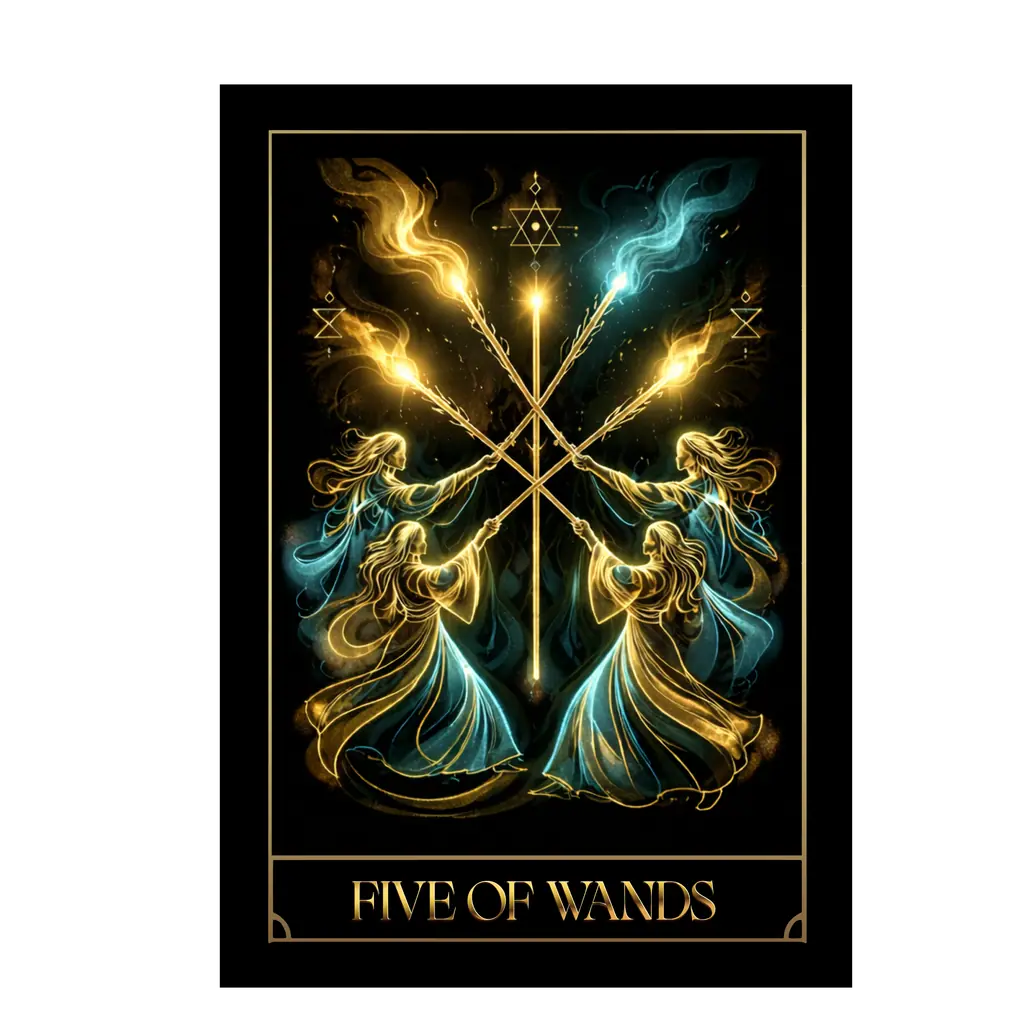
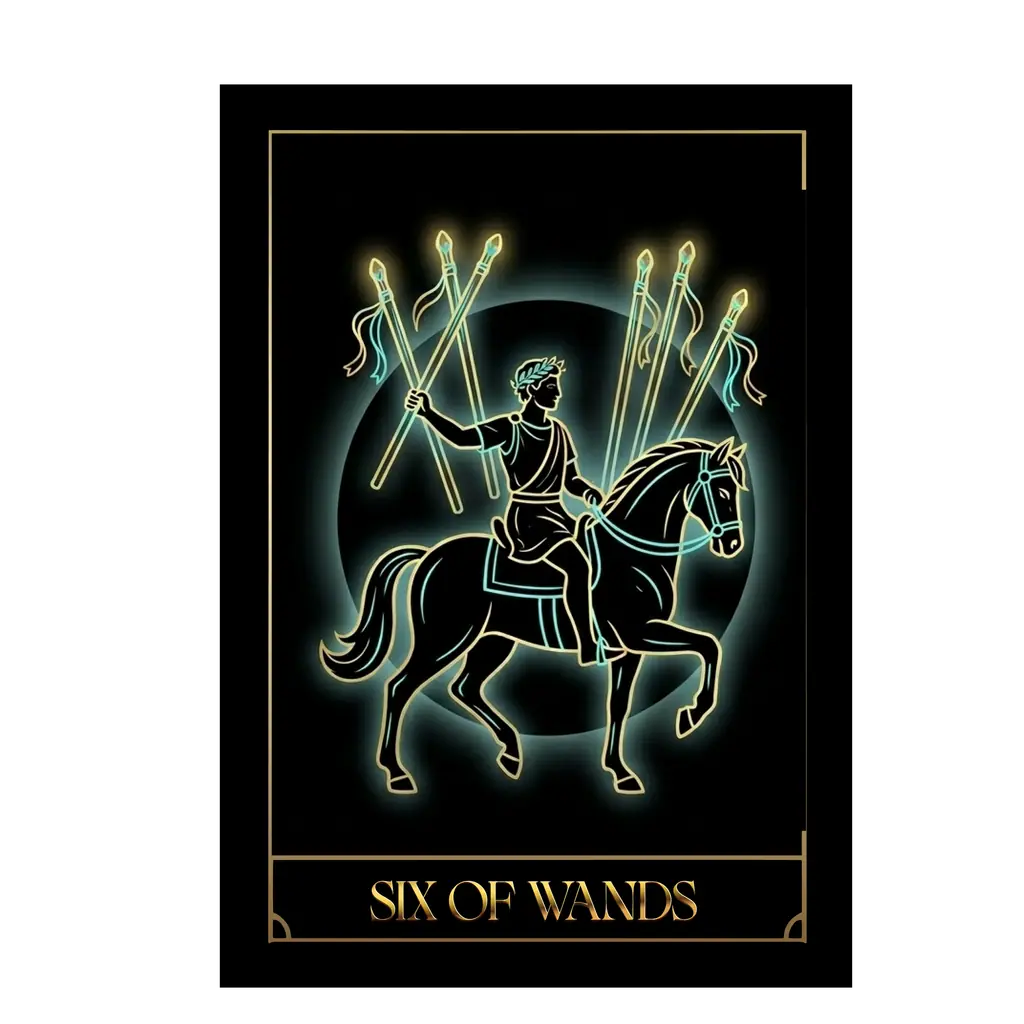
A rider comes through a crowd on a white horse, wearing a laurel wreath, with a second wreath tied to his staff. People are walking alongside. The victory in this card is specifically a public one — it is not the win, it is the being seen to have won. The Six of Wands follows the Five, and that order matters: recognition arrives after the contest, not instead of it. It appears when work you have done is about to be acknowledged, or when it should be and you are being too modest to let it happen. Its risk is on the same axis. A reputation is a real asset and a fragile one, and the rider is dependent on a crowd that could be somewhere else next week. Take the recognition, use it while it is current, and do not start believing it is the same thing as the work.
- Yes or no
- Yes
- Position in the deck
- Card 28 of 78
Upright meaning
Recognition, success made visible, and confidence that is earned. Upright, the Six of Wands favours promotions, awards, good news that arrives publicly, and any situation where your reputation does work for you. Claim the credit out loud. Quiet competence is not rewarded, and this card is asking you to stop relying on it being noticed.
Reversed meaning
The recognition does not come, or does not hold. Reversed, the Six of Wands covers credit taken by someone else, success that fails to land, and the private version — achievement you cannot let yourself feel good about. It can also mark confidence outrunning results. Check what is actually finished.
What the card offers
Take the credit in public. Quiet competence goes unrewarded.
Six of Wands in love
Being chosen openly. The Six of Wands reads well for relationships that have become something to be proud of rather than something to explain, and for the moment one person makes their feelings unambiguous in front of other people. If you have been someone's private arrangement, this card is asking why.
Six of Wands in work and career
Visible success — the promotion, the win, the piece of work that gets your name attached to it. The Six of Wands favours anything that depends on reputation. Use the moment: influence from a recent win decays quickly, so make the ask now rather than waiting for a more modest occasion.
Six of Wands and wellbeing
Vitality that other people notice before you do. The Six of Wands often marks the point in a recovery or a training block where results become visible. Let that be motivating rather than a reason to escalate. The card rewards consistency that has finally paid, not a harder new regime.
Six of Wands on the spiritual path
Confidence in your own experience. The Six of Wands is the point where a practice stops needing external validation and you stop apologising for it. The warning attached is small and real: certainty that wants an audience is a different thing from certainty.
Did Six of Wands show up in your question?
Draw it inside a spread and read it against the cards around it. Free, no sign-up, with a written interpretation.
Questions people ask about this card
What does Six of Wands mean upright?
Recognition, success made visible, and confidence that is earned. Upright, the Six of Wands favours promotions, awards, good news that arrives publicly, and any situation where your reputation does work for you. Claim the credit out loud. Quiet competence is not rewarded, and this card is asking you to stop relying on it being noticed.
What does Six of Wands mean reversed?
The recognition does not come, or does not hold. Reversed, the Six of Wands covers credit taken by someone else, success that fails to land, and the private version — achievement you cannot let yourself feel good about. It can also mark confidence outrunning results. Check what is actually finished.
Is Six of Wands a yes or a no?
Six of Wands leans towards yes. Take the credit in public. Quiet competence goes unrewarded.
Written by
Truc MaiMore tarot guides
Love Tarot: What a Reading Can Actually Tell You
A love reading will not tell you whether they are the one. It will show you what you are bringing, what they are responding to, and where the connection is actually heading.
How to Ask Tarot a Good Question (Most People Get This Wrong)
Most disappointing tarot readings are not bad readings — they are good answers to badly built questions. Here is how to fix the question before you shuffle.
The Daily Tarot Card: A Practice That Actually Sticks
One card a day is the most useful tarot habit there is — and the easiest to abandon. Here is how to make it stick, and how to read a card that seems to say nothing.